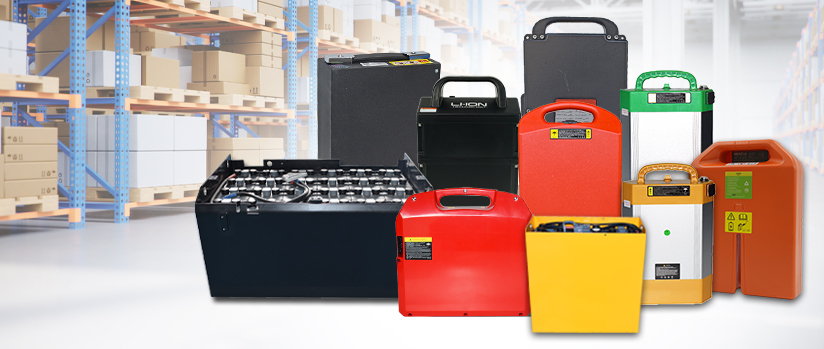
أصبحت الرافعات الشوكية الكهربائية جزءًا أساسيًا من المستودعات الحديثة ومصانع التصنيع وعمليات الخدمات اللوجستية. ويُعد المكوّن الأكثر أهمية في أي رافعة شوكية كهربائية هو البطارية—إذ تؤثر بشكل مباشر على مدة التشغيل والأداء ومتطلبات الصيانة وتكاليف التشغيل الإجمالية.
يمكن أن يؤدي اختيار البطارية المناسبة إلى تعزيز الإنتاجية وتقليل وقت التوقف عن العمل وزيادة العائد على الاستثمار. في هذه المقالة، سنستعرض الأنواع المختلفة من البطاريات المستخدمة في الرافعات الشوكية الكهربائية ونساعدك على تحديد أيها الأنسب لعملياتك.
بطاريات الرصاص الحمضية
لعقود طويلة، كانت بطاريات الرصاص الحمضية الخيار الأساسي للرافعات الشوكية الكهربائية. ولا تزال منتشرة حتى اليوم، ويرجع ذلك إلى حد كبير إلى موثوقيتها وانخفاض سعرها الأولي مقارنة بمعظم البدائل. وعلى الرغم من انتشار تقنيات البطاريات الأحدث، لا تزال بطاريات الرصاص الحمضية الخيار الافتراضي للعديد من العمليات التي لا تحتاج إلى أداء متطور.
كيف تعمل
تولّد هذه البطاريات الطاقة من خلال تفاعل كيميائي بين صفائح الرصاص والإلكتروليت من حمض الكبريتيك. يمكن العثور عليها بسعات وفولتية متنوعة، لذا فإن مطابقتها مع نموذج معين من الرافعات الشوكية يكون عادةً أمرًا سهلاً. ومع ذلك، فهي ثقيلة نسبيًا وتحتاج إلى مساحة، وهو أمر يجب أخذه بعين الاعتبار إذا كانت حاويات الرافعات لديك ذات أبعاد ضيقة.
المزايا
تكلفة أولية منخفضة – تحصل على مصدر طاقة عملي دون استثمار رأسمالي كبير.
تقنية مثبتة ومجربة – فنيّو الصيانة وورش الإصلاح على دراية تامة بها.
متوفرة على نطاق واسع – يسهل الحصول على البدائل وقطع الغيار.
مناسبة لمعظم بيئات المستودعات، من غرف التبريد إلى التخزين في درجة حرارة الغرفة.
قابلة لإعادة التدوير بدرجة عالية – يمكن استرجاع أكثر من 95% من المواد، مما يقلل تكاليف التخلص.
العيوب
الصيانة الدورية غير قابلة للتفاوض: ستحتاج إلى تعبئة الماء (عادةً أسبوعيًا)، وتنظيف الأطراف، وموازنة الشحن بشكل دوري.
الشحن يستغرق وقتًا طويلًا – عادةً 8 ساعات أو أكثر، لذا لا يمكنك توصيلها لفترة قصيرة أثناء الاستراحة.
كما أنها تحتاج إلى فترة تبريد بعد الشحن (غالبًا 8 ساعات إضافية) قبل أن تصبح جاهزة للاستخدام الثقيل.
إذا كنت تدير عدة نوبات عمل، فستحتاج على الأرجح إلى بطارية ثانية لكل رافعة للاستبدال، مما يضاعف استثمارك في البطاريات ويزيد من جهد المناولة.
أفضل الاستخدامات
بطاريات الرصاص الحمضية مناسبة بشكل جيد لـ:
عمليات بنظام نوبة واحدة حيث يتوفر وقت كافٍ طوال الليل للشحن والتبريد.
المستودعات الصغيرة إلى المتوسطة ذات مسافات التنقل اليومية المعتدلة.
الشركات التي لا تعمل فيها الرافعات الشوكية بشكل مستمر طوال اليوم.
الشركات التي تراقب ميزانيتها عن كثب، حيث إن التكلفة الأولية المنخفضة توفر سيولة لبنود أخرى.
إذا كانت عملياتك تنطبق عليها معظم هذه النقاط، فإن بطاريات الرصاص الحمضية يمكن أن تكون خيارًا عمليًا وموثوقًا—لكن يجب الاستعداد للصيانة الدورية مثل تعبئة الماء والتنظيف.
بطاريات الليثيوم-أيون
تزداد شعبية بطاريات الليثيوم-أيون بشكل متسارع في صناعة مناولة المواد. فهي توفر مزايا واضحة في الإنتاجية وكفاءة الشحن وتقليل الصيانة.
كيف تعمل
تخزن بطاريات الليثيوم-أيون الطاقة من خلال تحريك أيونات الليثيوم بين الأقطاب الموجبة والسالبة. عادةً ما تستخدم بطاريات الرافعات الشوكية الحديثة كيمياء فوسفات حديد الليثيوم (LiFePO₄) نظرًا لسلامتها الأفضل ومتانتها العالية.
المزايا
شحن سريع
إمكانية الشحن أثناء فترات الاستراحة
تشغيل دون صيانة
لا حاجة لإضافة الماء
كفاءة طاقة أعلى
عمر خدمة أطول
إخراج طاقة ثابت
تقليل وقت التوقف
العيوب
استثمار أولي أعلى
يتطلب شواحن متوافقة
قد يتطلب إجراء تعديلات على الرافعة الشوكية في بعض الحالات
أفضل التطبيقات
بطاريات الليثيوم-أيون مناسبة تمامًا لـ:
عمليات متعددة المناوبات
المستودعات عالية الإنتاجية
مراكز الخدمات اللوجستية
المصانع
بيئات التخزين البارد
الشركات التي تركز على خفض التكاليف على المدى الطويل
بطاريات LiFePO4 هي نوع محدد من بطاريات الليثيوم-أيون الذي أصبح الخيار المفضل لتطبيقات الرافعات الشوكية.
مقارنةً بكيميائيات الليثيوم الأخرى، توفر LiFePO4 ما يلي:
بالنسبة للعديد من الشركات، توفر تقنية LiFePO4 أفضل توازن بين الأداء والسلامة والقيمة طويلة الأمد.
يعتمد اختيار بطارية الرافعة الشوكية المناسبة على عدد من العوامل العملية
مدة التشغيل – تعمل بطاريات الرصاص-الحمضية لنوبات واحدة مع شحن ليلي. أما في العمليات متعددة المناوبات، فبطاريات الليثيوم-أيون أفضل لأنها تدعم الشحن الفرصي أثناء فترات الاستراحة.
البنية التحتية للشحن – تحقّق من محطات الشحن الحالية لديك، والسعة الكهربائية، وما إذا كان يمكنك إجراء شحنات سريعة قصيرة أو شحن كلي ليلي فقط.
الصيانة – تحتاج بطاريات الرصاص-الحمضية إلى إضافة الماء والتنظيف بانتظام؛ أما بطاريات الليثيوم-أيون فهي شبه خالية من الصيانة.
الميزانية – بطاريات الرصاص-الحمضية أقل تكلفة في البداية لكنها أعلى تكلفة على المدى الطويل (الماء، العمالة، الاستبدال). بطاريات الليثيوم-أيون أكثر تكلفة في البداية لكنها غالبًا ما تسترد قيمتها خلال بضع سنوات بفضل انخفاض إجمالي تكلفة الملكية.
البيئة – تعمل بطاريات الليثيوم-أيون بشكل أفضل في التخزين البارد والظروف القاسية مثل الحرارة أو الغبار أو الاهتزاز.
لكل خيار من البطاريات نقاط قوة خاصة به، اعتمادًا على احتياجات التشغيل والميزانية وأهداف الإنتاجية.
بالنسبة للشركات التي ترغب في إبقاء التكاليف الأولية منخفضة، لا تزال بطاريات الرصاص-الحمضية خيارًا قويًا وموثوقًا. ومع ذلك، إذا كنت تركز على تعظيم وقت التشغيل، وتقليل متاعب الصيانة، وتعزيز الكفاءة العامة، فإن بطاريات الليثيوم-أيون وLiFePO₄ أصبحت سريعًا الحل المفضل.
اختيار البطارية المناسبة لا يتعلق فقط بتشغيل الرافعة الشوكية—بل يتعلق بتحسين الأداء والربحية عبر كامل عملياتك.
هل تبحث عن بطاريات للرافعات الشوكية؟
نوفّر بطاريات حمض الرصاص عالية الجودة، وبطاريات أيون الليثيوم وحزم بطاريات LiFePO₄، وشواحن، وحلول طاقة مخصصة للرافعات الشوكية الكهربائية، وعربات نقل المنصات، ورافعات الوصول، وغيرها من معدات المستودعات.
تواصل معنا اليوم للعثور على حل البطاريات الذي يناسب أسطولك—والارتقاء بكفاءة مناولة المواد لديك إلى المستوى التالي.
احصل على أحدث العروض من HUAN XIN الميكانيكية والكهربائية

أرسل لنا البريد الإلكتروني
بريد إلكتروني : simon@lifttops.com
عنوان


 IPv6 الشبكة مدعومة


 العربية
 العربية
 English
 français
 русский
 español
 português